
Cardamom, Dark
Cardamom, Dark oil has a sweet, spicy, warm aroma with balsamic, woody middle notes. This is a special small batched distillation that's much darker than typical Cardamom oil. Cardamom oil blends well with Bergamot, Ylang Ylang, Labdanum, Cilantro, and woody oils.
Carnation, Absolute
Carnation, associated with love and weddings, has long been a very popular floral scent. It has an exceedingly rich, almost honey-like scent, with small hints of mint, and is vaguely clove-like.

Carrot Seed
Woody-earthy, slightly spicy, strong, fruity, warm, herbaceous and musky. Refreshing and stimulating. Active. Clearing and comforting. Great in skin care (revitalizing and toning) and considered one of the best Essential Oils for Mature Skin. Great with citrus and evergreen type oils, Frankincense, Lavender, Rosewood, Blue Cypress, Geranium etc.

Cashmere
Opium and Musk are blended together to create a velvety aroma.
Cassia
Cassia essential oil, Cinnamomum cassia, has a sweet, spicy-hot fragrance. It is a physical and emotional stimulant and gets the blood and mind in motion. Affects the libido and is known as an aphrodisiac, as well as an antidepressant. Aroma in a room reduces drowsiness, irritability, pain and frequency of headaches. Makes a warming liniment to relax tight muscles, ease joint pain, menstrual cramps, and increase circulation. Cassia blends well with the following essential oils: balsam Peru, caraway, chamomile, frankincense, ginger, nutmeg, rosemary, geranium, black pepper, and all the spices, coriander, and citrus oils. Cassia Oil Cautions: Can be a skin irritant, redden, and even burn sensitive skin so use carefully, dilute, dilute, dilute. Use at 1% dilution and do not use on children under the age of 12. Avoid in cosmetics and during pregnancy. Dermal toxin.
Castor
The oil has been reputed to have fungistatic properties. Ayurvedic medicine has long used the oil for lumbago, sciatica and rheumatism. Do not ingest!!! Often cited as purgative in many pharmacopoeia since 1780 and can cause violent vomiting. 100% all-natural cold pressed oil

Cedarwood, Atlas
This is a true cedar from the family Pinaceae, also known as Atlantic cedar and Moroccan cedarwood. This oil is quite different from Virginian cedarwood. Its sweet, woody aroma with a camphoraceous note improves as the oil ages. It would make a good hair tonic and effective for treating seborrhea of the scalp, dandruff and alopecia. It is also used as a fixative in the perfume industry. Cedarwood Atlas is calming and soothing with sedative effects similar to Sandalwood. This oil is considered neurotoxic and abortive and should not be used on children or pregnant women. Blends well with bergamot, clary sage, frankincense, oakmoss and rosemary.

Cedarwood, Virginian
Also known as Red Cedar, it is from the family Cupressaceae. Although this tree is from this family and not from the family Pinaceae, it is still called Virginia Cedar. Its scent is sweet and woody, sometimes reminiscent of sandalwood. Calms nervous tension and states of anxiety. Expectorant, dries phlegm. Deters moths and other insects, usually in drawers and closets. Care should be taken that garments do not directly touch wood treated with Cedarwood essential oil. Blends well with bergamot, cinnamon, frankincense, rose, sandalwood and rosemary.

Chamomile, German
This essential oil was distilled often in Germany from Hungarian raw materials which may explain the term "German" Chamomile. The unique soil and climate of Bulgaria is known for imparting many of the finest nuances in the Industry (i.e. Lavender, Rose). The reason for the deep beautiful blue hue is the natural constituent, a hydrocarbon; chamazulene. The chamazulene content gives German Chamomile its most important actions such as soothing, calming and anti-inflammatory. It is widely believed this constituent does not affect the aroma. The odor is intensely sweet, coumarin-like, herbal and slightly fruity. The dry out notes are warm and pleasant like sweet tobacco.

Chamomile, German @10%
Due to the expense and intensity of Roman Chamomile, we offer it in a 10% dilution in jojoba oil. This essential oil was distilled often in Germany from Hungarian raw materials which may explain the term "German" Chamomile. The unique soil and climate of Bulgaria is known for imparting many of the finest nuances in the industry (i.e. Lavender, Rose). The reason for the deep beautiful blue hue is the natural constituent, a hydrocarbon; chamazulene. The chamazulene content gives German Chamomile its most important actions of soothing, calming and anti-inflammatory. It is widely believed this constituent does not affect the aroma. The odor is intensely sweet, coumarin-like, herbal and slightly fruity. The dry out notes are warm and pleasant like sweet tobacco.

Chamomile, Hungarian
Our Essential Oils are 100% natural, undiluted, therapeutic grade oils. Essential Oils are highly volatile, meaning they readily evaporate, transforming from liquid to vapor. Keep your oils out of sunlight, but do not refrigerate. When deciding on a lid, there are a few things to keep in mind. Droppers are...

Chamomile, Roman
It is very warm, sweet, comforting, slightly bitter and somewhat green. Roman Chamomile is more fruity and somewhat apple-like in aroma. This oil is very fragrant and shares a lot of the properties of the other Chamomile species. Relaxing, soothing, calming the nerves without being a sedative (great for kids!), very gentle oil for many skin conditions, digestive problems and stress. Great skincare properties, soothing irritation and balancing the skin's functions. Its mildness, as well as its proven effectiveness makes it a universal remedy, even in baby care. Blends well with Geranium, Lavender, Rose, Neroli, Marjoram, Cedarwood, Frankincense, Rosewood, Clary Sage, Ylang Ylang and others. Chamomile adds a soft, warm note to a blend. This herb has been used for medicinal purposes and skin therapy for ages, particularly in Europe. German/Blue Chamomile and Roman Chamomile have very similar properties, however the German/Blue oil is better for anti-inflammatory applications, because it has a higher content of Azulene.
Chamomile, Roman @10%
Due to the expense and intensity of Roman Chamomile, we offer it in a 10% dilution in jojoba oil. The odor is intensely sweet, coumarin-like, herbal and slightly fruity. The dry out notes are warm and pleasant like sweet tobacco.
Champa, Red
Michelia champaca, an exceedingly rare oil found in India. It has a rich, sultry, floral scent, with a hint of berries, mint, and an earthy tea. It is also regarded as a holy scent, as the flower it originates from are often used in temples.

Champa, White
White Champa originates from China, and has a sweet floral boquet aroma. Mainly used in a diffuser.
Cinnamon Bark
The dry, spicy notes of this unique Cinnamon Bark oil are finer and more complex than other Cinnamons. Great for pain relief in a 3% dilution. It has a strong aroma that is exceptionally tenacious along with the highest quantity of volatile components for aromatherapy use. Do not use if pregnant.
Cinnamon Leaf
Lighter than the Cinnamon Bark oil. This oil mixes well with almost all of the citruses and is the most commonly used in soapmaking. Do not use if pregnant.

Citronella
Light, fresh lemon scent with geranium-like notes. Very soft and round. Citronella's properties are similar to Lemongrass, its scent however, is less appealing to many people. Commonly used in deodorizing and insect repelling products, and as a raw material for the perfume industry. Citronella works well in blends designed to keep insects at bay, for example, in combination with Cedarwood, Lavender, Patchouli or Eucalyptus. You can also add a few drops to mopping water when mopping your home. Citronella blends well with a lot of different oils, "lifting" a blend to make it appear more energetic and lively, such as Lavender, Neroli, Ylang Ylang, Rose, Sandalwood, Frankincense, Geranium, Fennel, Tea Tree, resinous Essential Oils and many others. Avoid in pregnancy. Do not use directly on the skin.
Clementine
Clementine is a cross between a sweet orange and mandarin. Crisp and fresh aroma. This is a cold pressed oil from the peel and contains between 85-92% limonene. Great for uplifting and energizing in a blend. Has also been used with other oils such as Chamomile, Rose and Lavender for insomnia. Clementine Essential Oil is phototoxic and exposure to strong sunlight should be avoided for up to an hour after application. Avoid use during pregnancy.
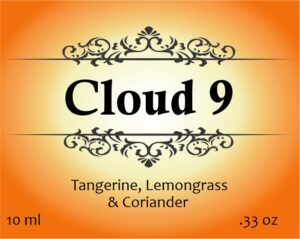
Cloud 9
Jump from cloud to cloud with this bright combination of Tangerine, Lemongrass and Coriander. Uplifting to the emotions and the spirit. Hard to be depressed with this aroma around you. Sometimes, it is a good thing to have your head in the clouds. Use 5-10 drops in a diffuser. Not intended for use on the skin.
Clove Bud
Our Essential Oils are 100% natural, undiluted, therapeutic grade oils. Essential Oils are highly volatile, meaning they readily evaporate, transforming from liquid to vapor. Keep your oils out of sunlight, but do not refrigerate. When deciding on a lid, there are a few things to keep in mind. Droppers are...

Coconut
This aroma is made of 100% synthetic (not essential) oils. We work very hard to find reputable sources for our synthetic oils and only use those that contain NO DPG nor any other known carcinogens.
Coconut, Fractionated
Unlike regular coconut oil, this fractionated oil does not solidify. Processed by high pressure or hydrolysis. This is a favorite of massage therapists as it will not stain sheets and clothing. Used extensively in hair conditioners to soften dry hair. Fantastic for an overall body oil. May cause irritation on some people. 100% all-natural cold pressed oil
Coffee
Our Essential Oils are 100% natural, undiluted, therapeutic grade oils. Essential Oils are highly volatile, meaning they readily evaporate, transforming from liquid to vapor. Keep your oils out of sunlight, but do not refrigerate. When deciding on a lid, there are a few things to keep in mind. Droppers are...